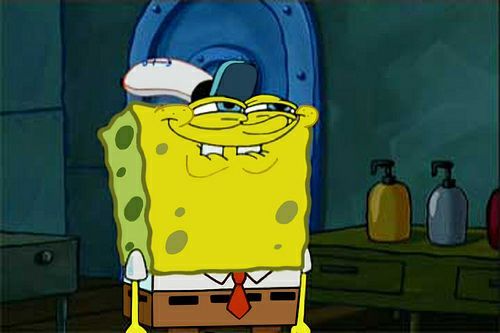
Don't You Squidward
The 'Don't You Squidward' meme features a smug and slightly mischievous SpongeBob SquarePants. Originating from the "Dying for Pie" episode of the animated series SpongeBob SquarePants (Season 2, 2001), this particular still captures SpongeBob with a knowing grin and half-closed eyes, often accompanied by a hat. While the exact phrase "Don't You Squidward" isn't said with this specific face, the meme has become synonymous with SpongeBob's passive-aggressive or sarcastic teasing. Its meaning conveys a range of emotions, including smugness, insincere politeness, or a hidden agenda. Users deploy this meme to react to situations involving exaggerated complaints, perceived pettiness, or when delivering a sly, understated retort. It's frequently employed to mock or humorously dismiss someone's annoyance, making it a versatile classic in online humor.
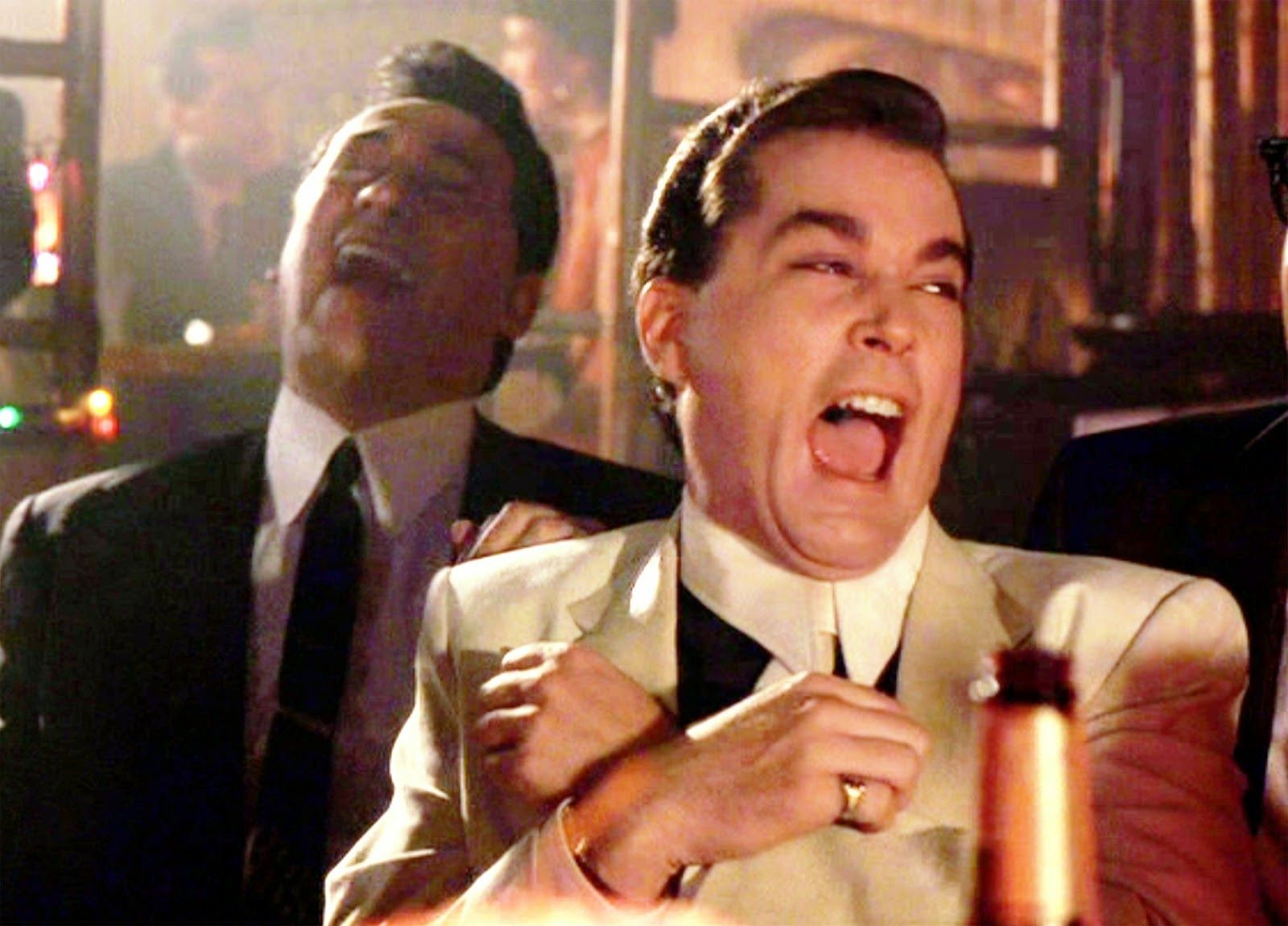
Good Fellas Hilarious
The "Good Fellas Hilarious" meme originates from a pivotal scene in Martin Scorsese's 1990 crime drama *Goodfellas*. The image features actor Ray Liotta as Henry Hill, laughing intensely and and nervously, while Joe Pesci's character, Tommy DeVito, questions him with the iconic line, "You think I'm funny?" The meme captures a moment of exaggerated, often uncomfortable or forced laughter. It's typically used to represent situations where someone is laughing awkwardly, nervously, or simply pretending to find something funny to appease another person or diffuse tension. It can also ironically depict someone laughing at their own bad joke or an overly enthusiastic reaction to something mildly amusing. Its usage often highlights social awkwardness or a lack of genuine amusement, making it a versatile reaction image in various online contexts.
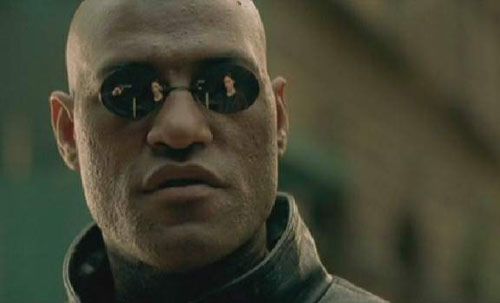
Matrix Morpheus
The "Morpheus" meme originates from the iconic 1999 science fiction film *The Matrix*, featuring actor Laurence Fishburne as the character Morpheus. This particular image captures his intense gaze, often reflecting the pivotal "red pill or blue pill" choice he offers to Neo. The meme's meaning revolves around presenting a stark choice between two contrasting realities or options, often one that maintains a comfortable illusion and another that reveals an uncomfortable truth. It is widely used to humorously or seriously highlight a significant decision or an eye-opening revelation, typically with a caption starting "What if I told you...?" to convey a profound or ironic statement.

Success Kid Original
"Success Kid," originally titled "I Hate Sand" or "Vendetta Baby," depicts a young baby, Sam Griner, clenching a fistful of sand with a determined, somewhat smug expression. The photo was taken by his mother, Laney Griner, in 2007 on a beach and gained widespread internet fame as a meme around 2010. The meme is universally understood to represent a sense of triumph, celebrating small, everyday victories, or the satisfaction of achieving a minor goal. It's often used to humorously convey good luck, unexpected positive outcomes, or overcoming a small obstacle, embodying a feeling of quiet pride and success in relatable situations.

Taylor Swift Travis Kelce Engagement
This meme features global pop superstar Taylor Swift and NFL tight end Travis Kelce in a romantic, intimate embrace. Originating from viral photos of the couple, it gained traction as fans and media speculated about their relationship, particularly an "engagement," which this meme humorously amplifies. The image symbolizes intense connection, public affection, or a significant, often exaggerated, "next step" in a relationship or any given situation. It's frequently used to playfully declare a humorous or ironic "engagement" between two entities, often expressing joy or excitement about a development, or simply to comment on their high-profile romance.
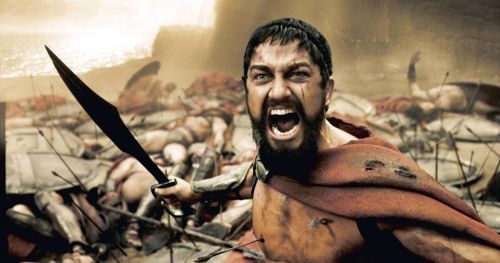
Sparta Leonidas
The "This is Sparta!" meme originates from the 2006 film "300," based on Frank Miller's graphic novel. It features King Leonidas (portrayed by Gerard Butler) delivering a powerful kick to a Persian messenger into a deep well after shouting the iconic line, "This is Sparta!" The meme symbolizes extreme defiance, a definitive rejection, or an overwhelming, often aggressive, response to a perceived challenge, insult, or bureaucratic demand. It is widely used to humorously convey an unyielding stance, an epic mic drop, or an over-the-top declaration of one's identity or territory. The image itself, with Leonidas in battle, also represents intense resolve and readiness for confrontation.
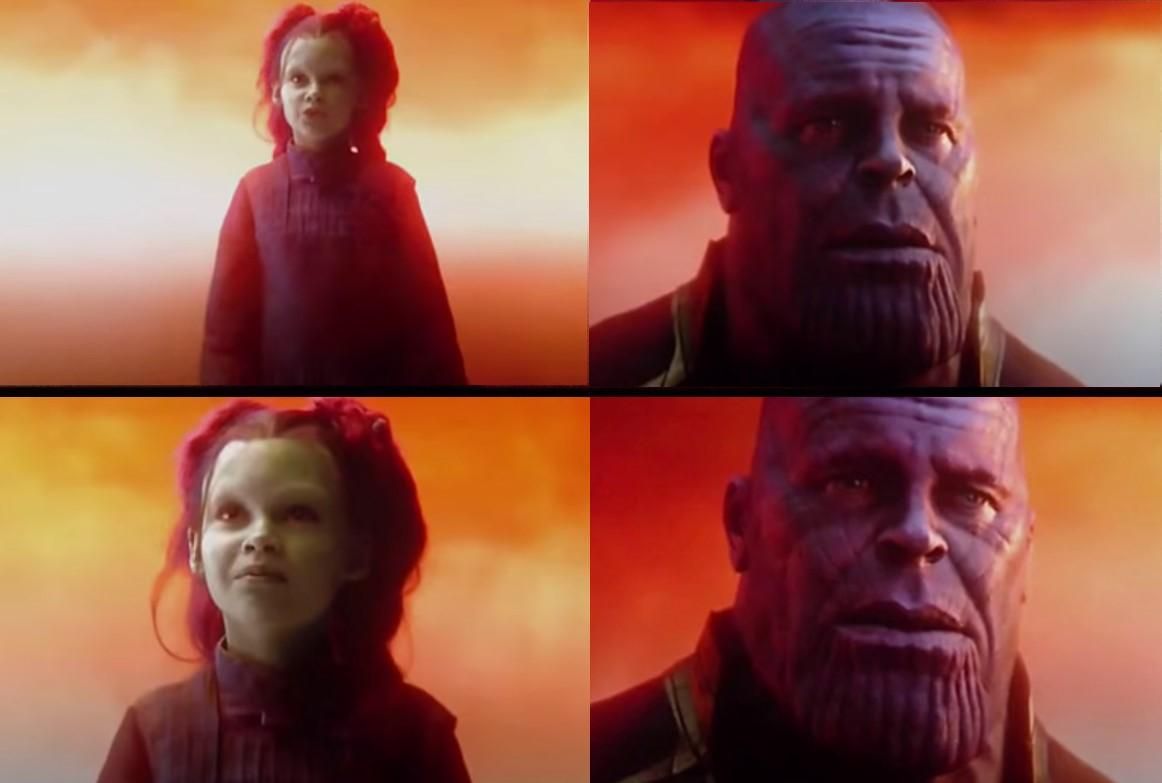
Thanos What Did It Cost
The "Thanos What Did It Cost" meme originates from the 2018 Marvel film *Avengers: Infinity War*. After successfully wiping out half of all life in the universe with a snap, Thanos enters a spiritual realm where he encounters a young Gamora, who asks him, "What did it cost?" to which he replies, "Everything." This poignant exchange captures the immense sacrifice made for a grand, often destructive, goal. The meme is used to convey the bittersweet feeling of achieving something significant, but at a heavy, often regrettable, personal cost. It's frequently employed in contexts where a victory or accomplishment comes with considerable loss, effort, or sacrifice, highlighting the irony or sadness of the "success."
I See Dead People
The "I See Dead People" meme originates from a chilling line delivered by child actor Haley Joel Osment in the 1999 supernatural thriller, "The Sixth Sense." In the film, Osment's character, Cole Sear, confides to his therapist (played by Bruce Willis) that he sees ghosts. The iconic phrase is uttered with a mixture of fear, confusion, and a weighty realization. As a meme, it's widely used to express a sudden, often uncomfortable, dawning realization about something unusual, out of place, or subtly wrong that others might not perceive. It conveys a sense of shock or revelation, implying that the observer is seeing something that shouldn't be there or is unexpectedly obvious to them alone. It can be applied humorously or seriously to highlight an uncomfortable truth or an oddity in various situations.
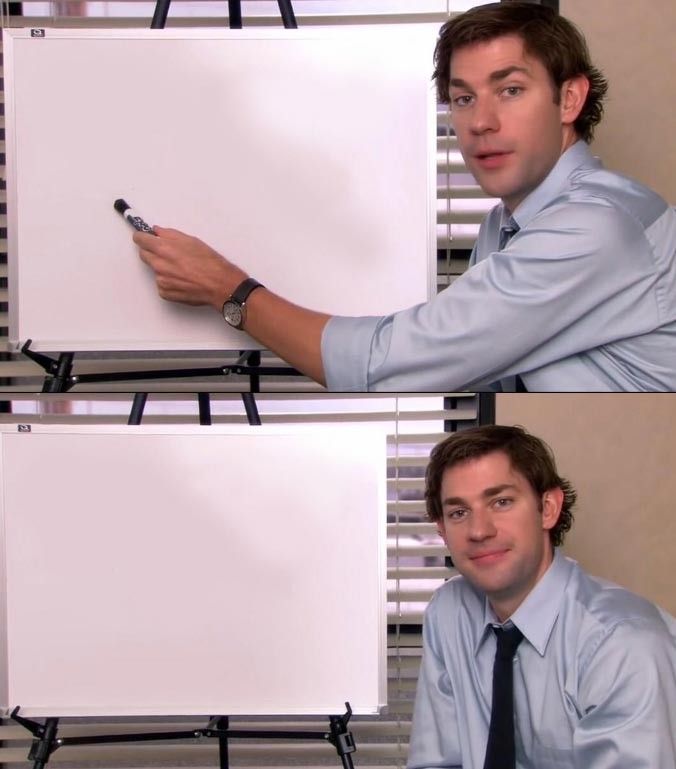
Jim Halpert Explains
The "Jim Halpert Explains" meme originates from the popular American TV sitcom *The Office*. It features character Jim Halpert (played by John Krasinski) standing next to a whiteboard. The top panel typically shows Jim pointing at an empty or partially filled whiteboard, implying he is about to explain something. The bottom panel shows him looking directly at the camera with a subtle, knowing, or often deadpan expression. The meme is used to humorously present seemingly obvious or simple concepts as if they require a profound explanation, often sarcastically highlighting a widely understood truth or an absurd simplification. It conveys a sense of "explaining the obvious" or a relatable reaction to someone over-complicating things, making it popular for situations where one feels a need to spell out something that should be evident.
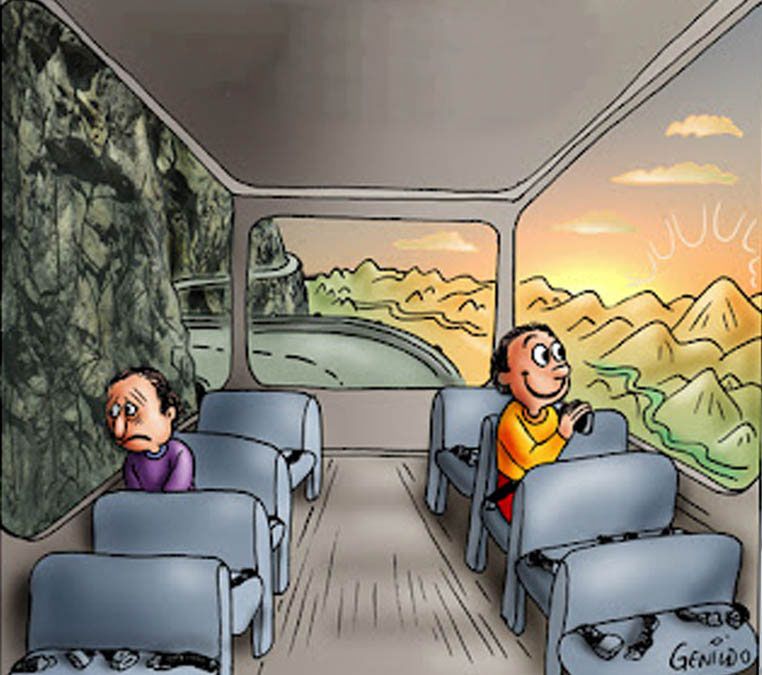
Sad Guy Happy Guy Bus
The "Sad Guy Happy Guy Bus" meme features two individuals on a bus journey. The person on the left appears despondent, looking out at a bleak, rocky landscape. In contrast, the person on the right is joyful, observing a vibrant, sunny mountain vista. This single-panel cartoon originated as an illustration emphasizing the impact of perspective. It gained widespread popularity as a meme to visually represent how different people can experience the same situation in vastly contrasting ways, often highlighting the choice between optimism and pessimism. It is frequently used to make comparisons, underscore the importance of outlook, or to humorously depict differing reactions to shared circumstances.