
Popular Meme Templates
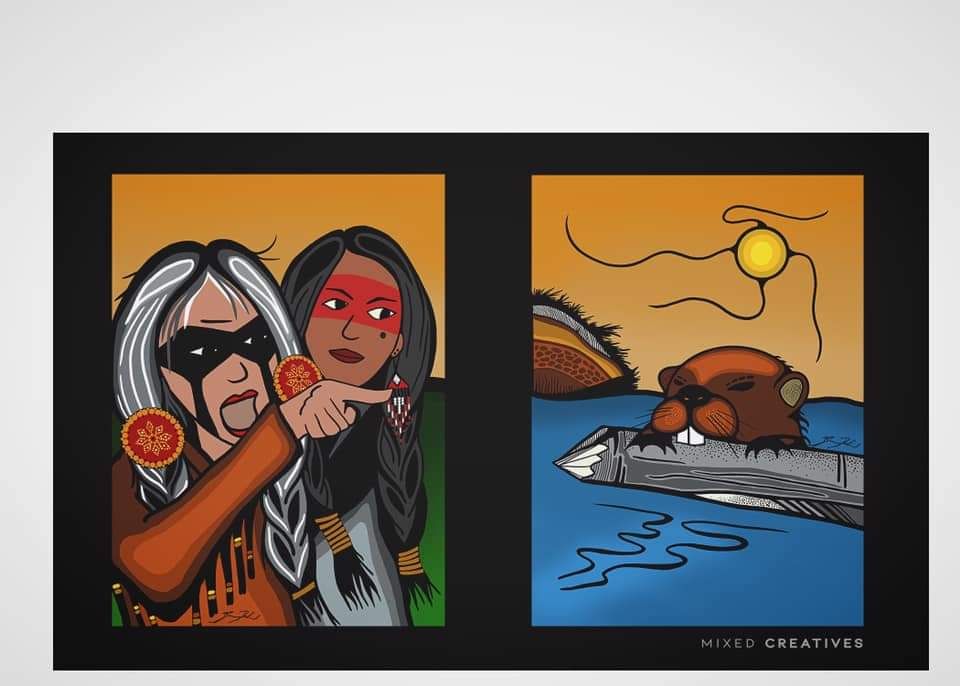
Yelling Beaver
The "Yelling Beaver" meme is an Indigenous-themed artistic rendition of the globally popular "Woman Yelling at a Cat" meme. Created by Mixed Creatives, an Indigenous art and design company, it recontextualizes the original meme's dynamic. It typically features an Indigenous woman vehemently expressing frustration or surprise at a seemingly nonchalant beaver, often gnawing on wood. This meme is used to humorously depict scenarios of disagreement, a strong emotional reaction to a perceived slight or annoyance, or a contrast between two opposing viewpoints, all while incorporating Indigenous cultural imagery and aesthetics.
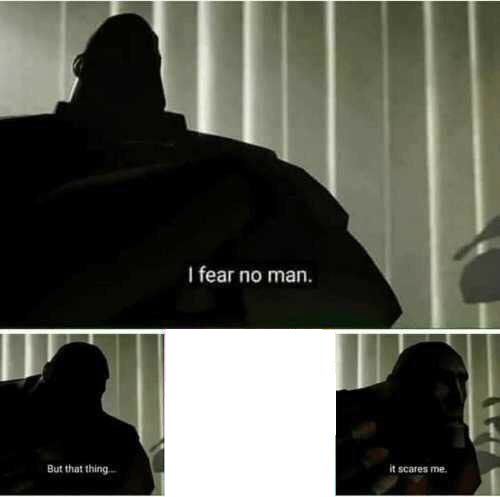
I Fear No Man
The "I Fear No Man" meme originates from Valve's 2007 video game, *Team Fortress 2*. It features the character Heavy from the "Meet the Heavy" promotional short. In the short, Heavy, a large and imposing character, confidently declares, "I fear no man," only to then comically admit, "But that thing... it scares me," while looking at a much smaller character, the Scout. This meme is used to express an ironic or unexpected fear. It typically presents a strong or seemingly fearless entity (represented by Heavy) confronting something that is generally considered trivial, harmless, or insignificant, yet surprisingly instills fear in the otherwise brave character. The template often includes a blank panel where users insert the specific "thing" that evokes this unexpected dread. It highlights humorous juxtapositions and is popular for conveying relatable moments of minor anxieties or disproportionate fears.
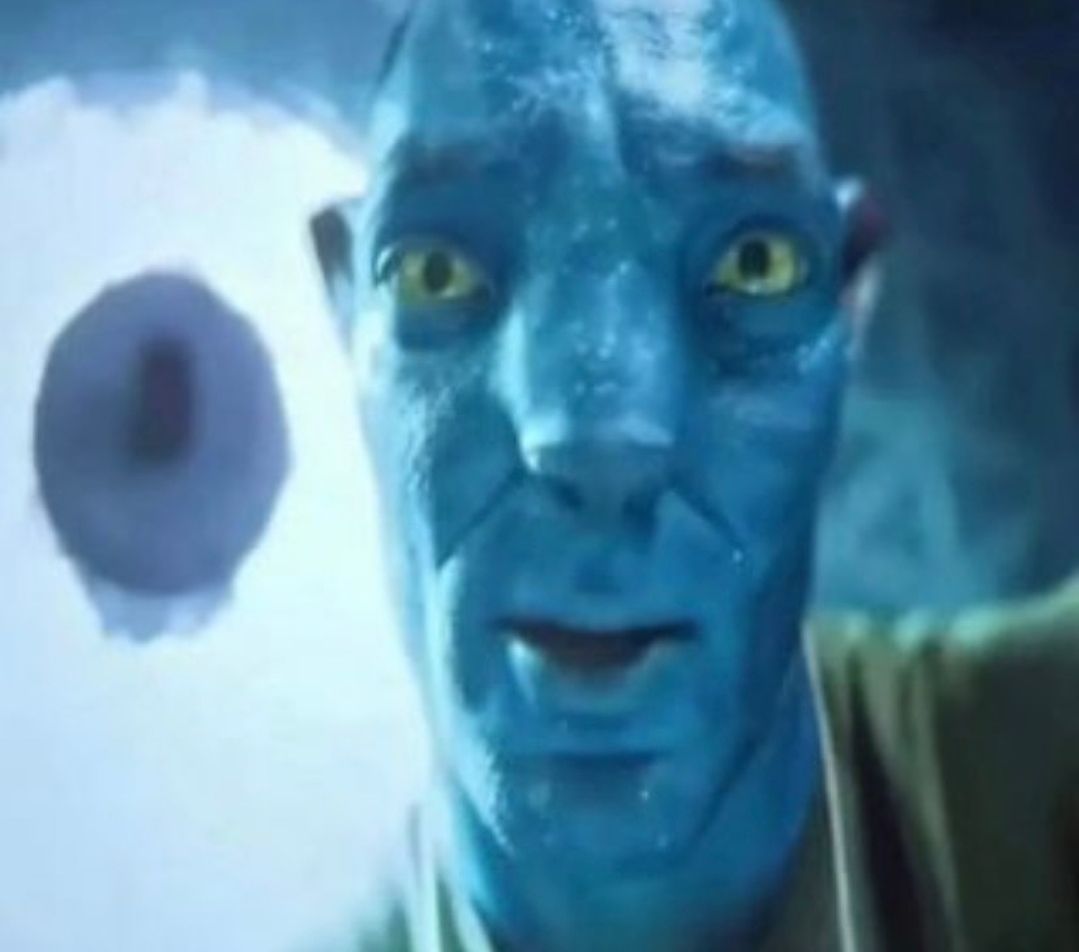
Avatar Guy
The 'Avatar Guy' meme features a screenshot of a Na'vi character from James Cameron's 2009 film *Avatar*. Specifically, it captures an older Na'vi male, often identified as Mo'at's mate and Neytiri's father, displaying a look of dawning, uncomfortable realization or mild confusion. This meme gained popularity for its highly relatable expression, making it perfect for reacting to situations where one slowly grasps an inconvenient truth, an unexpected outcome, or a subtly disappointing revelation. It's frequently deployed to convey moments of silent judgment, resigned understanding, or a slow 'oh, I see now' reaction to something previously overlooked or misunderstood, serving as a versatile reaction image across various online discussions.

Buddy Christ
"Buddy Christ" is a popular meme originating from Kevin Smith's 1999 satirical fantasy film, Dogma. In the movie, this statue represents a controversial marketing attempt by the Catholic Church to modernize Jesus's image, making him more "accessible" and "hip." The statue depicts Jesus winking, smiling broadly, pointing, and giving a thumbs-up, often adorned with a radiant heart on his chest. As a meme, Buddy Christ is typically used to express enthusiastic approval, encouragement, or a lighthearted blessing, often with an ironic or sarcastic twist. It can also playfully mock attempts to make serious subjects overly palatable or commercialized. Its cheerful demeanor makes it a versatile reaction image for positive, yet sometimes comically exaggerated, affirmations.
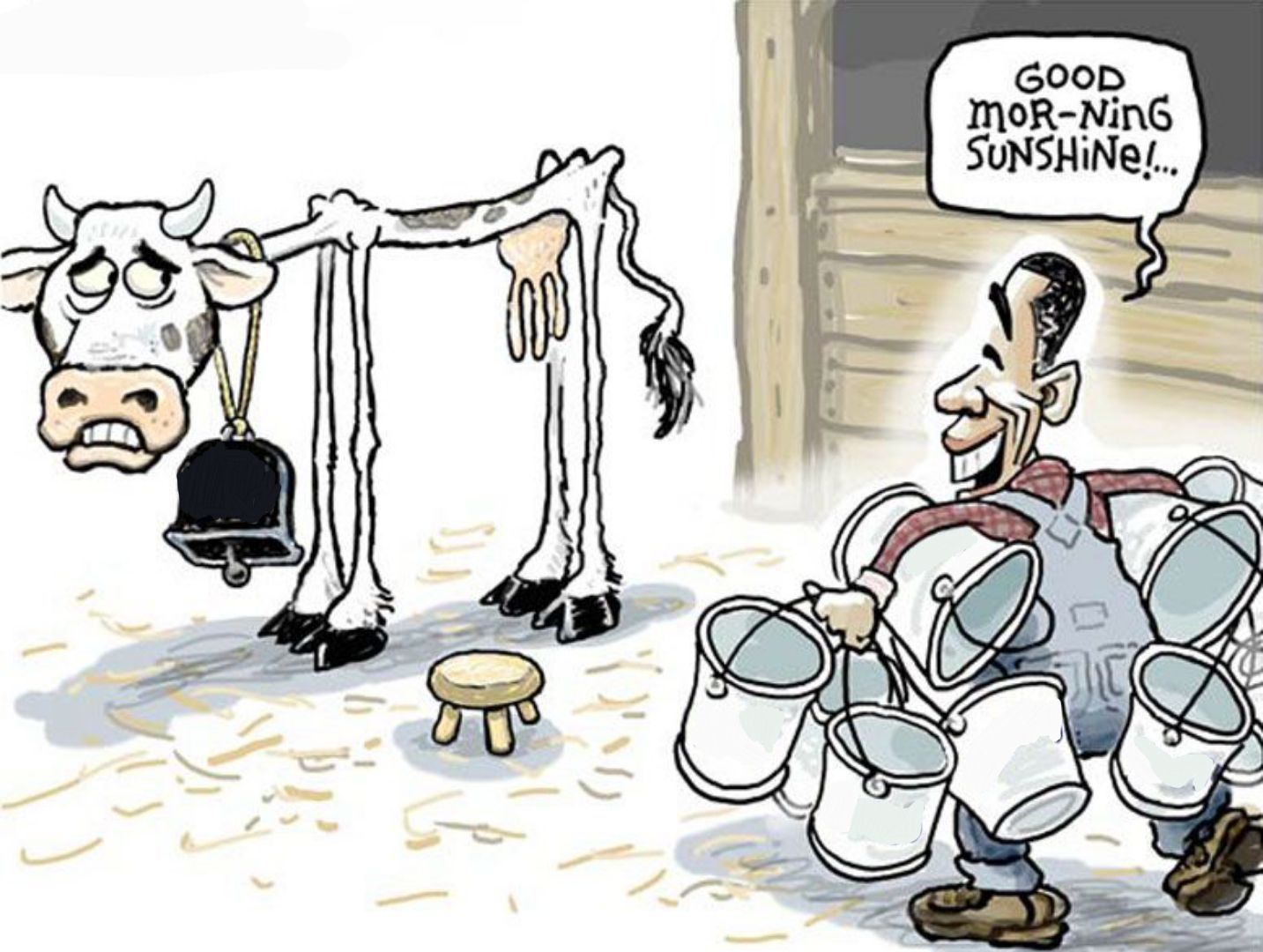
Milking The Cow
The "Milking The Cow" meme typically features a gaunt, sad cow and a smiling farmer, often depicted as a political figure like Barack Obama, carrying numerous empty milk pails, cheerfully greeting the cow. Originating as a political cartoon, it sarcastically illustrates the concept of excessive exploitation or over-taxation. The emaciated cow represents an exhausted resource or group being drained dry, while the eager farmer symbolizes the entity (government, employer, etc.) relentlessly demanding more. The meme is widely used to express frustration with situations where an individual or a system is pushed beyond its limits, whether it's through taxes, work demands, or other forms of relentless pressure, highlighting a critical view of disproportionate burdens.
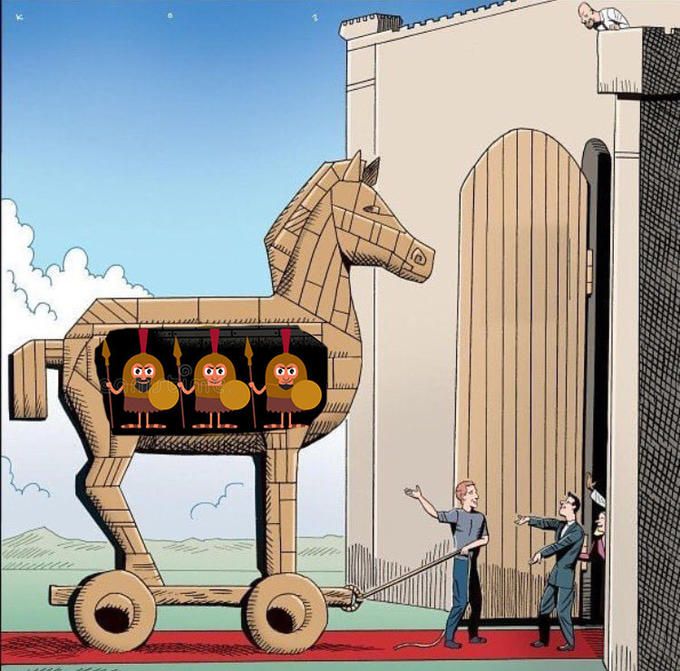
Trojan Horse
The "Trojan Horse" meme originates from the ancient Greek myth of the Trojan War. According to the Aeneid, Greek warriors constructed a massive wooden horse as a gift, secretly hiding inside it. The Trojans, believing it to be a peace offering, brought it into their city, leading to their ultimate defeat when the soldiers emerged at night. The meme signifies a deceptive tactic where a seemingly harmless or beneficial entity is introduced, but it secretly contains a hidden threat or agenda that leads to negative consequences. It's widely used to comment on situations involving hidden dangers, backroom dealings, or accepting something at face value without understanding its true, often malicious, intent. It highlights irony, naivety, or strategic infiltration.
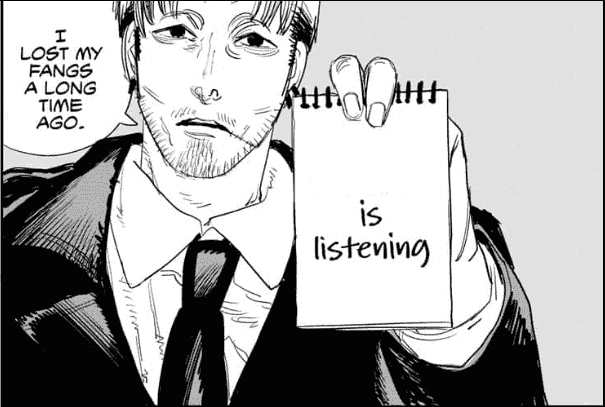
Makima Is Listening
The "Makima Is Listening" meme originates from the popular manga and anime series *Chainsaw Man*. It features the character Kishibe holding a notepad, which is typically edited to display the phrase "Makima is listening." The original panel shows Kishibe saying "I lost my fangs a long time ago," while the notepad initially says "is listening." The meme's meaning stems from Makima's pervasive and manipulative nature in the series, where she often seems to be aware of events and conversations, even when not present. It is used to humorously imply that a powerful or cunning individual (Makima or another entity substituted in the meme) is secretly monitoring a situation, conversation, or group. The meme highlights a sense of being under surveillance or the omnipresence of a controlling figure, often used for comedic effect in discussions or online interactions.
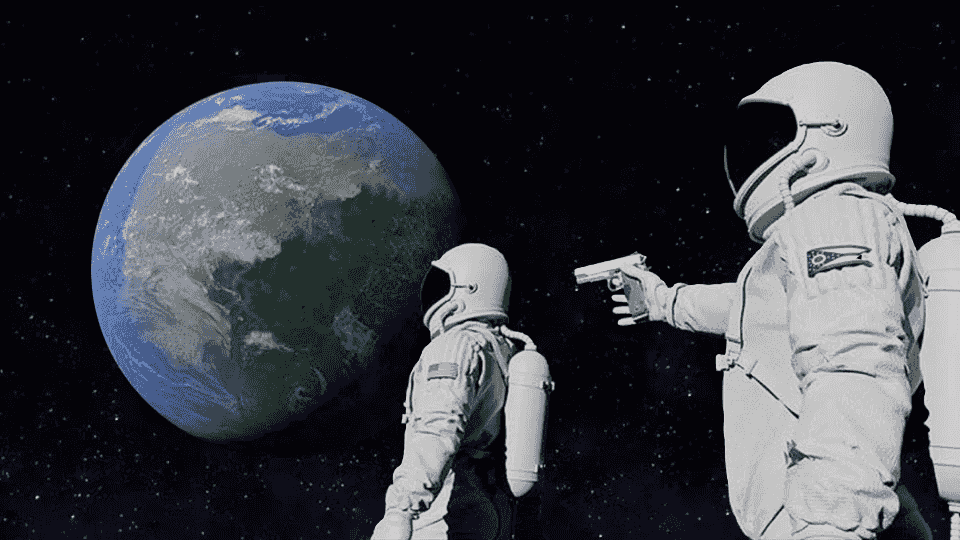
Astronaut Meme Always Has Been Template
The "Astronaut Meme: Always Has Been" template features two astronauts in space, one looking at Earth and the other pointing a gun at the first. This meme originated from a 2020 webcomic by explosm.net titled "Ohio," where the first astronaut realizes Earth is entirely Ohio, and the second astronaut responds, "Always has been." The meme is used to humorously convey a "sudden realization" about an undeniable truth or a widely accepted but unacknowledged fact. It often highlights an ironic, absurd, or darkly humorous reality that, once revealed, makes the viewer question their previous understanding, reinforced by the unyielding "Always has been" response. It's popular for pointing out surprising insights or long-standing, often bleak, observations.

Happy Star Congratulations
The "Happy Star Congratulations" meme features a vibrant, cartoonish certificate typically awarded to children for various achievements. Originating from generic school reward templates, the meme is primarily used ironically online. It's deployed to sarcastically "congratulate" someone for a trivial, obvious, or unearned accomplishment, highlighting its often exaggerated praise. Alternatively, it can be used genuinely, albeit with a humorous, over-the-top enthusiasm, to celebrate small wins. The blank lines are frequently filled with humorous or absurd text, making it a versatile tool for conveying both genuine excitement and subtle, comedic disdain for minor "victories."